
"coffee root pests"
400 article(s) found

A brief introduction to the History and Culture of the Origin and Development of Katim Fine Coffee beans with stable production
Katim is a variety introduced later, with a relatively stable output and strong resistance to diseases and insect pests. It is planted in a large area in Yunnan, and now it is easy to buy Katim beans on the market. Katim aa beans are also exported beans, which is not bad on the whole. Not to mention in China, even in the whole of Asia, Yunnan's beans are very excellent. As for cat shit, Manning, etc.

At present, the three most important and productive coffee trees in the world are genealogies: Arabica
Boutique coffee has a rich and beautiful taste. Even if the coffee made of boutique coffee beans is not all fine coffee, it depends on whether it gives full play to the characteristics of coffee beans, whether it has a good taste, if not, it can not be called boutique coffee. Arabica is only a big division of coffee tree pedigree. When it comes to coffee tree pedigree,

To show you the true face of coffee.
Small and round dark brown coffee beans, quietly emitting a fragrant fragrance in the grinder, injected into the cup showing the beautiful color of amber, these are the three very deep impressions of coffee. As you explore the history and beauty of coffee, you can also see the coffee trees that are caressed by the tropical sun and whose leaves twinkle. It has small white flowers similar to jasmine.

Traditional dark roast coffee-Java coffee
Java coffee is produced in Java, Indonesia, and belongs to Arabica coffee. After baking, the bitter taste is very strong and the fragrance is very light, without sourness. Java coffee bitter, alcohol, coupled with the sweet chocolate syrup, Java coffee more mellow smooth, very popular with women! Indonesia is one of the Asian countries that produce coffee. Indonesia is an island in the Indian Ocean.
The establishment of a coffee garden
1. The environmental conditions of land selection, planning and reclamation are closely related to the growth and development of coffee, which should be determined according to the growth habits and environmental requirements of coffee. Try to avoid choosing lowlands where cold air is easy to accumulate and condense frost; coffee roots are good, so choose well-drained and loose soil; coffee needs a calm wind environment, so in areas where there is no primary forest, consideration should be given to planning windbreaks.

Yemeni Coffee Ancient Morning Coffee Mocha Coffee and Yemeni Coffee Origin History
Professional coffee knowledge exchange more coffee bean information Please follow the coffee workshop (Wechat official account cafe_style) the history of each country records its own culture and craftsmanship. For example, Japanese paper, Indian silk and Persian carpets. When it comes to Yemen, the most representative is coffee. In Yemen, there is nothing like the unique history of coffee trade and ancestral coffee cultivation skills.

What are the factors and conditions that make up organic coffee?
For those of you who have known about Blue Mountain Coffee, you should have seen a frog logo on the barrel containing Blue Mountain Coffee beans. Among so many Blue Mountain Coffee buckets in the front street, the green frog pattern is very detached and makes people's eyes shine. What exactly does it mean? it has something to do with the organic coffee we are talking about today. The symbol of the frog is the Rainforest Alliance.
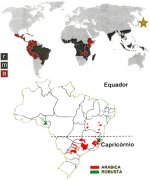
Brazilian Coffee Fine Coffee Bean treatment introduces how to make and drink Brazilian coffee
The exchange of professional baristas please follow the coffee workshop (Wechat official account cafe_style) about coffee production. The main consideration is ① production, ② diseases and insect pests, ③ quality, in terms of agricultural stability, the first priority is production. In addition, 80% of Brazilian coffee is dried, and the remaining 20% is semi-dried and washed. Its coffee taste characteristics are different, but high.
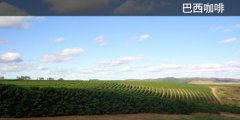
Basic knowledge of Coffee production and Coffee Farm in Brazil
The production of coffee is mainly taken into account, ① production, ② diseases and insect pests ③ quality as far as the stability pursued by agriculture is concerned, the first priority is production. In addition, 80% of Brazilian coffee is dried, and the remaining 20% is semi-dried and washed. Its coffee flavor characteristics are different, but high-quality coffee slightly tends to be semi-dried. However, the drying method
The main uses of coffee grounds
Coffee grounds are the dregs left over from the extraction of coffee, isn't it? In fact, every 100 grams of coffee beans are rich in 12.6 grams of protein, 9 grams of cellulose, 4.2 grams of ash, 120 milligrams of calcium, 170 milligrams of phosphorus, 42 milligrams of iron, 3 milligrams of sodium, 0.12 grams of vitamin B2, 3.5 milligrams of niacin, 1.3 grams of caffeine and 8 grams of tannins. It can be said that the coffee grounds after extraction are nutritious and comprehensive.

To learn the theoretical knowledge of coffee beans, coffee colleges open cafes to learn coffee blending.
Boutique coffee is fresh coffee. Whether it's food or drink, of course, the fresh the better, and so is boutique coffee. High-quality coffee should keep the coffee beans fresh before making, including the preservation of baked beans, and grind the coffee beans into powder before making, which is also to retain its original and best flavor. And the way of making hand-made coffee is such a way to make high-quality coffee.

Introduction to the Soul of Coffee Bean
What is the essence of a cup of coffee? Coffee as its name implies, the raw material of coffee is the most important. The main raw materials for making coffee are small and round dark brown coffee beans, which quietly emit a fragrant fragrance in the grinder and show a beautiful amber color in the cup. These are the three very deep impressions that ordinary people have on coffee. While you are exploring the history and grace of coffee

How to make Brazilian coffee: from a seed to a cup of coffee
The exchange of professional baristas please follow the coffee workshop (Wechat official account cafe_style) about coffee production. The main consideration is ① production, ② diseases and insect pests, ③ quality, in terms of agricultural stability, the first priority is production. In addition, 80% of Brazilian coffee is dried, and the remaining 20% is semi-dried and washed. Its coffee taste characteristics are different, but high.
Coffee production in Brazil and coffee bean production in coffee farms
Coffee plantations in Brazil range from large farms mechanized on flat land to small farms harvested artificially in mountain areas. There are no shade trees for shade in Brazilian agricultural gardens. The production of coffee is mainly taken into account, ① production, ② diseases and insect pests ③ quality as far as the stability pursued by agriculture is concerned, the first priority is production. In addition, 80% of Brazilian coffee is dried coffee.

Introduction to the flavor and taste of domestic iron pickup coffee and the characteristics of high-quality coffee beans in manor area
China Coffee Network so when Nestl é succeeded in promoting high-yield new varieties in Pu'er in the 1990s, brown farmers in Baoshan also cut down old varieties and changed them to new ones. With a round of coffee expansion, new varieties are increasing and old varieties are decreasing day by day. Finally, today's situation: the old varieties have almost been cut down, and the little ones that survived are all old and weak.
Basic knowledge of boutique coffee the main uses of coffee grounds
Coffee grounds are the dregs left over from the extraction of coffee, isn't it? In fact, every 100 grams of coffee beans are rich in 12.6 grams of protein, 9 grams of cellulose, 4.2 grams of ash, 120 milligrams of calcium, 170 milligrams of phosphorus, 42 milligrams of iron, 3 milligrams of sodium, 0.12 grams of vitamin B2, 3.5 milligrams of niacin, 1.3 grams of caffeine and 8 grams of tannins. It can be said that the coffee grounds after extraction are nutritious and comprehensive.

What kinds of Coffee trees are planted | Coffee flavor characteristics of coffee species
Professional coffee knowledge exchange more coffee bean information please follow the coffee workshop (Wechat official account cafe_style) Arabica (Arabica): first-class flavor and aroma of premium coffee beans Arabica is a representative variety of origin in Ethiopia, in South Africa, Africa, Asia and other countries also have production, accounting for 70% / 75% of the world's coffee production. Arabica is concerned about illness.
Coffee planting in Zhanjiang
Coffee is a worldwide drink, known as "the king of beverages in the world".

The main purpose of coffee grounds coffee grounds is clean hands
Coffee grounds are the dregs left over from the extraction of coffee, right? In fact, every 100 grams of coffee beans are rich in protein 12.6 grams, cellulose 9 grams, ash 4.2 grams, calcium 120 mg, phosphorus 170 mg, iron 42 mg, sodium 3 mg, vitamin B2 0.12 grams, niacin 3.5 mg, caffeine 1.3 grams, tannin 8 grams. It can be said to be rich in nutrients and comprehensive, extracted coffee grounds

Difference between Ugandan robusta coffee beans and Arabica beans _ classification of Ugandan coffee beans
Professional coffee knowledge exchange more coffee bean information please pay attention to the coffee workshop (Wechat official account cafe_style) "Arabica" vs. "Robsta" Arabica v.s Arabica beans are longer and oval in the middle of the split line narrow and tortuous. Romstadou is more circular in the middle of the split line crack into a straight line. Robustas Romsta coffee c